FAQ
Questions homeowners ask before they book
Coverage, repairs versus replacement, heat pumps, commercial work, and what to do before a technician arrives.
Dallas–Fort Worth and Greater Austin. That includes the cities listed on our service area pages, from Fort Worth, Plano, and Frisco in the north to San Marcos, Buda, and Dripping Springs in the south. If you are just outside those lists, ask. We would rather tell you than imply we cover the whole state.
We repair them. Replacement is the recommendation when the equipment is unsafe or when a major repair is a poor spend next to a new system. You get both prices when that is a real choice, and you approve the work before it starts.
Use the contact form with your city, the system that is down, and a phone number. That note goes to the office. You can also call the number posted on the site.
If there is a diagnostic fee on the day you book, we say so before we schedule. It is not added in the driveway. Any repair beyond diagnosis is a separate price you approve.
Yes. Gas furnaces are common in Dallas–Fort Worth. Heat pumps are common in Greater Austin. A lot of houses have both, as dual-fuel systems. We identify what you have before recommending a repair.
We service light commercial equipment: split systems, small package units, and common rooftop units on offices, retail, and restaurants. Large central plants and building-automation overhauls are outside our scope.
Ask for the Texas Air Conditioning and Refrigeration Contractor license and the insurance certificate when you book. Both should be available before anyone works in the house. If a license number is posted on this site, it is the number we want you to check.
No-cool calls during extreme heat are prioritized against the jobs already scheduled. We will give you a window rather than a vague ‘today.’ Maintenance visits are scheduled ahead so they are not competing with those calls.
Leave the system in the state that shows the problem if you can do that safely. Clear a path to the indoor unit, the outdoor unit, and the electrical disconnect. If you smell gas or see sparking, shut the system off and do not wait on a routine visit.
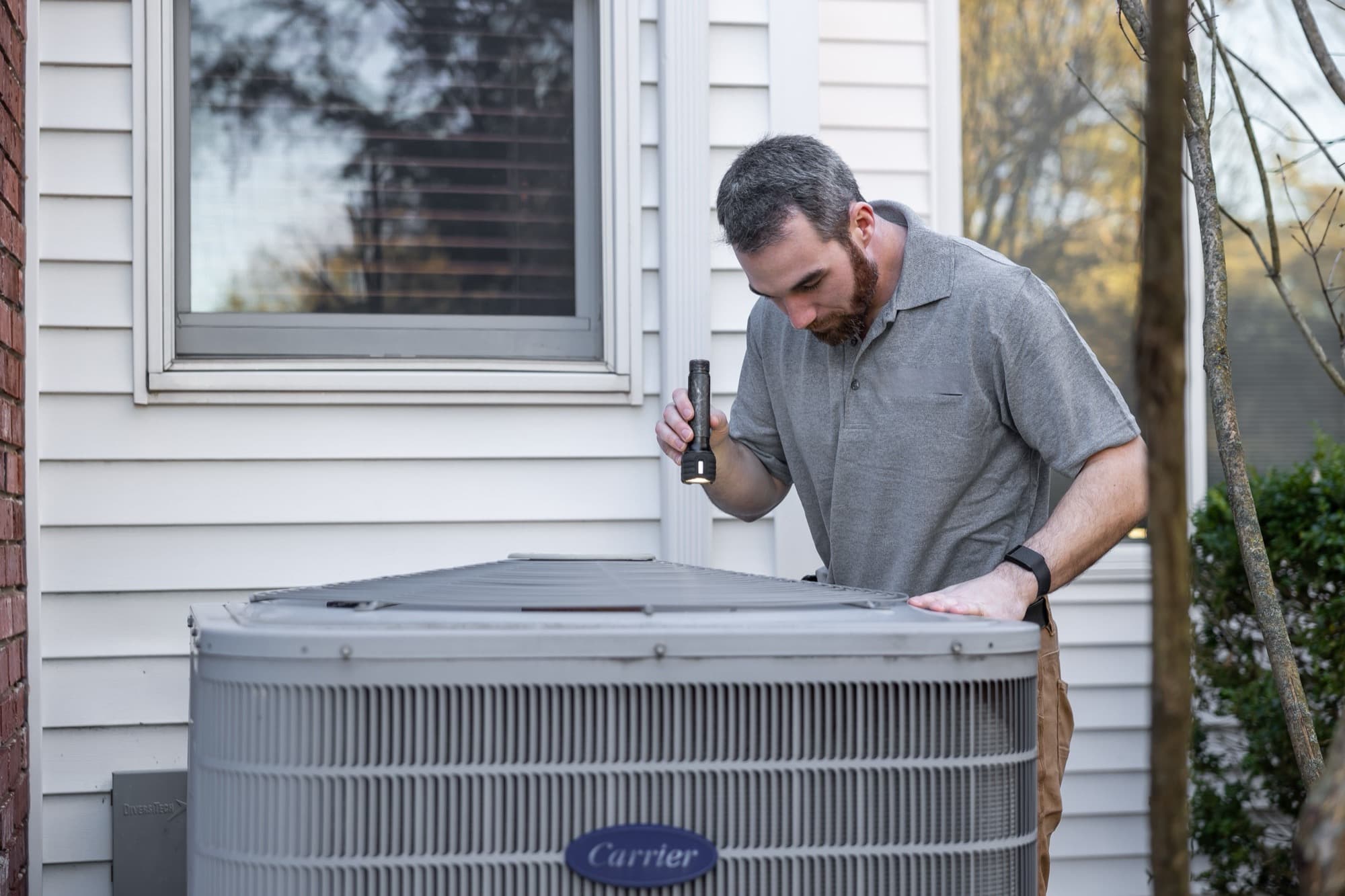
Ready for honest HVAC service? Let's talk.
Tell us the city, the system, and what it is doing. We reply with a window and a clear next step.